Before Doors, After Cameras: The Backstage Feed as Opening Act
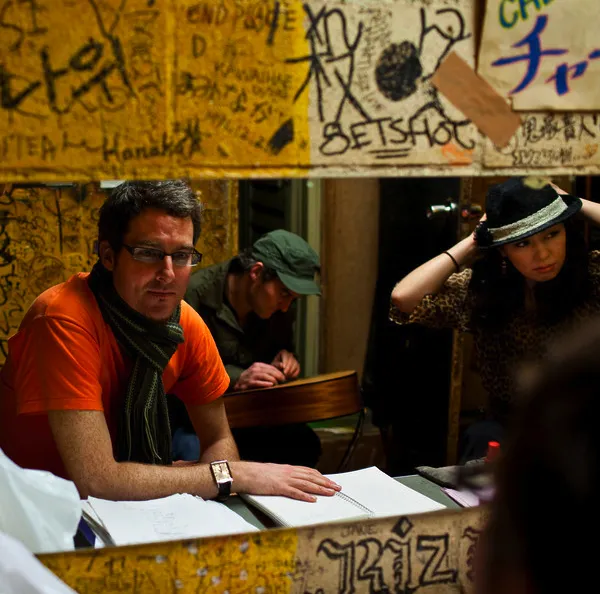
Photo: Fujimama101, CC BY-SA 4.0, via Wikimedia Commons
Backstage content used to be an afterthought: a blurry photo, a half-eaten plate, a caption that said soundcheck. In 2026, it is a release strategy. Artists post the pre-show ritual, the hallway vocal warm-up, the merch-table confession before doors. The green room has become a green screen, and the audience is already watching before the first chord. This is part tour diary, part fan onboarding, and part parallel stage. It is also a question about what happens when the private room becomes a set.
The Green Room Has a Second Audience
The old liner notes told you who played the solo and where the record was mixed. The new backstage feed tells you how the singer warms up, which hallway has the good reverb, and what the band eats before a 9 p.m. downbeat. That is not trivia. It is context. Fans in 2026 want to know how the show is made, not just what it sounds like. A 20-second clip of a drummer taping a setlist to the floor can do more onboarding than a press release. It says: this is the ritual. This is the room. This is the work.
Liner Notes With a Timestamp
The best backstage content works like liner notes with a timestamp. It is specific, it is small, and it is tied to a place. A venue with a legendary hallway. A green room with a broken lamp. A load-in door that has eaten every case since the Reagan administration. The details are not marketing. They are memory. When an artist posts the same pre-show stretch from 12 cities, the fan starts to see the tour as a story with chapters. The green room becomes a recurring set. The hallway becomes a character.
Fan Onboarding in Fifteen-Second Bursts
There is a practical upside. Support acts use backstage posts to introduce themselves before they have a crowd. A short clip of a guitar tuning in a stairwell can be more inviting than a polished single. It says: here is a person, here is a room, here is what we do. For headliners, the feed keeps the tour alive between dates. It gives the audience a reason to check in on a Tuesday when the bus is parked and nothing is happening. That is release craft now. The content is not separate from the tour. It is the tour, packaged in small pieces.
What the Camera Edits Out
But the green room is not a stage, and that matters. A private room has a door for a reason. It is where an artist can be tired, irritable, quiet, or unimpressive. When every corner becomes content, the room starts to perform. The warm-up becomes a bit. The pre-show huddle becomes a shot. The merch-table confession becomes a caption. None of that is fake, exactly. It is edited. The question is not whether backstage content is authentic. The question is what the edit teaches fans to expect. If the feed only shows the charming ritual, the messy day disappears. The audience learns the highlight reel and forgets the labor.
The Room Needs a Door
The case for backstage content is strong: it is intimate, it is cheap, and it makes the tour feel close. The case for restraint is stronger. Artists do not owe the audience every hallway. A green screen can be a window. It can also be a wall. The 2026 backstage feed works best when it remembers the difference. Show the ritual. Keep the door. Let the show start when the show starts.