The Pause Is the Tell: Inside the Encore Negotiation
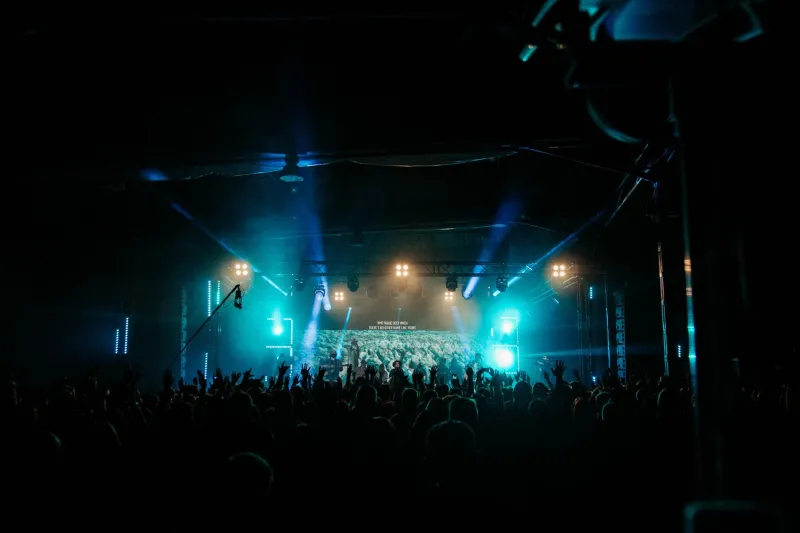
From the audience, the encore is a ritual: lights drop, feet stomp, and the room asks for one more. From the artist's edge, it is a negotiation with a clock. The pause before the house lights come up is not empty space. It is a decision being made in real time by people who know exactly how much the next ten minutes cost.
The Clock Is in the Room
Most US venues do not run on vibes alone. They run on curfews, labor rules, sound ordinances, and the last train out of town. A headliner who walks back onstage at 10:52 p.m. is not just answering a crowd. They are asking the crew to stay late, the promoter to absorb overtime, and the neighborhood to tolerate a few more decibels. In 2026, those costs are not abstract. They are line items.
The encore is where the artistic impulse meets the operational limit. Some rooms have a hard stop that nobody can argue with. Others have a soft stop that becomes a negotiation between the artist's team and the venue's production manager. The question is rarely "Do we want to play more?" It is "Can we play more without breaking something we cannot fix?"
That is why the encore often feels less like a victory lap and more like a settlement. Everyone in the building is aware of the clock, even if only the front rows are watching the stage.
The Setlist Has a Trapdoor
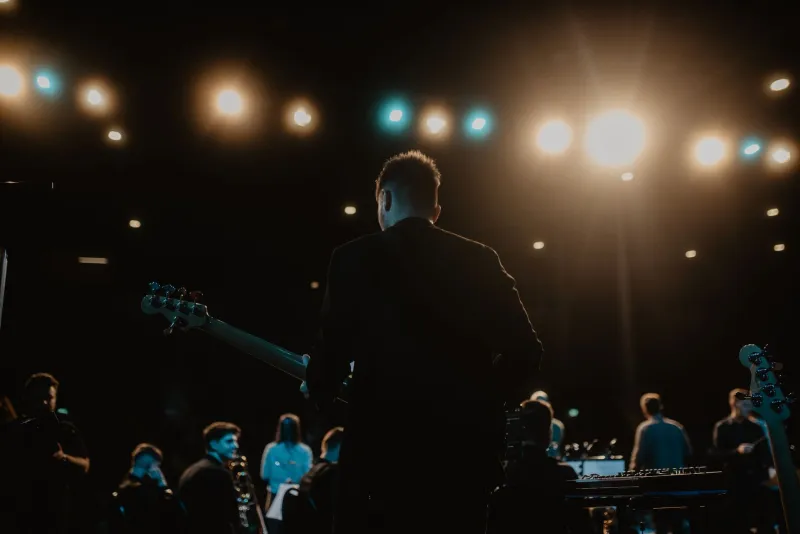
The dirty secret of the modern encore is that it is usually planned. The walk-off is choreography. The huddle by the drum riser is a cue. The setlist has a trapdoor built into it, and both the band and the crew know where it is.
Some artists build a two-song encore into the show from the start. Others leave the slot open and decide during the set based on how the room feels. A few treat the encore as a genuine nightly variable, which is why their fans trade notes about which cities got the extra song. But even the spontaneous version is bounded by practical math: how long the changeover took, how late the set started, whether the opener ran long, and whether the venue has a union crew watching the clock.
The trapdoor matters because it shapes the audience's experience. A crowd that suspects the encore is scripted still plays along, because the ritual works. The stomping, the phone flashlights, the call-and-response chant, the sudden silence before the band returns. It is theater, and everyone knows it. The negotiation is what keeps the theater from becoming a formality.
What the Crowd Is Asking For
US audiences in 2026 are more encore-literate than ever. They have watched the clips. They know the difference between a real walk-off and a staged one. They also know that some artists have started skipping the encore entirely, either to protect their voices or to make a point about expectation.
That literacy changes the pause. When the lights stay down, the crowd is not just cheering for a song. It is reading the room. Is the crew moving quickly or deliberately? Did the house music start? Is the stage manager standing at the side with a clipboard? The audience may not know the language of production, but it can feel the difference between a yes and a no.
The encore has become a kind of unspoken contract: the artist gives the crowd a final release, and the crowd gives the artist a reason to come back. But contracts have terms. The crowd's terms are emotional. The venue's terms are financial. The artist's terms are physical. The pause is where all three get weighed.
The Unspoken Contract
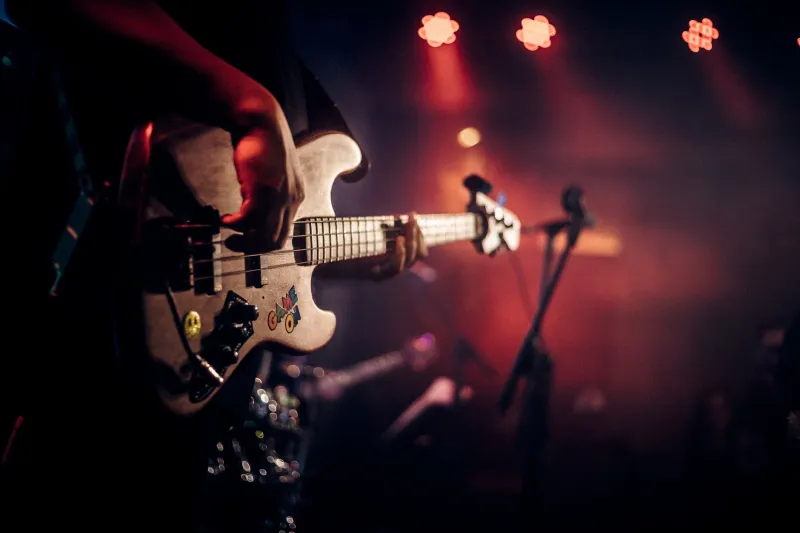
There is no standard encore clause in a performance agreement, but there might as well be. Promoters expect a certain length. Crews expect a certain finish time. Fans expect a certain closure. The artist is the one standing in the middle, holding a guitar and a decision.
Sometimes the negotiation is easy: the room is hot, the curfew is loose, and the band has one more in the tank. Sometimes it is not: a singer's voice is fraying, the crew has a load-out deadline, or the venue has already warned the promoter about noise. In those moments, the encore is not about giving the people what they want. It is about giving the people what can be delivered without damaging the next show.
That is the part the crowd rarely sees. The encore is a labor decision disguised as a emotional one. It is also an emotional decision disguised as a labor one. The best artists know how to hold both truths at once.
When the Lights Stay Down
A missing encore can feel like a rejection, but it is often a form of care. The artist who skips the return may be protecting a voice for the next city, respecting a venue's hard stop, or refusing to perform a ritual that has lost its meaning. In 2026, more artists are willing to let the lights come up without a final bow, and more audiences are learning to read that choice as part of the show.
The charged pause is still the point. It is the moment when the room decides what it believes about the artist, and the artist decides what they can give. The encore is not a guarantee. It is a negotiation that happens to look like a celebration.
The Last Song Is a Decision
The next time the lights drop and the stomping starts, listen for the tell. The pause is not dead air. It is a conversation between the stage, the clock, and the room. The encore is the answer, and it is never as spontaneous as it looks. It is a choice made at the artist's edge, where sound, story, and stagecraft meet the reality of a closing time.