Five Things That Survive the Plot: A Support Act's Wardrobe Notes
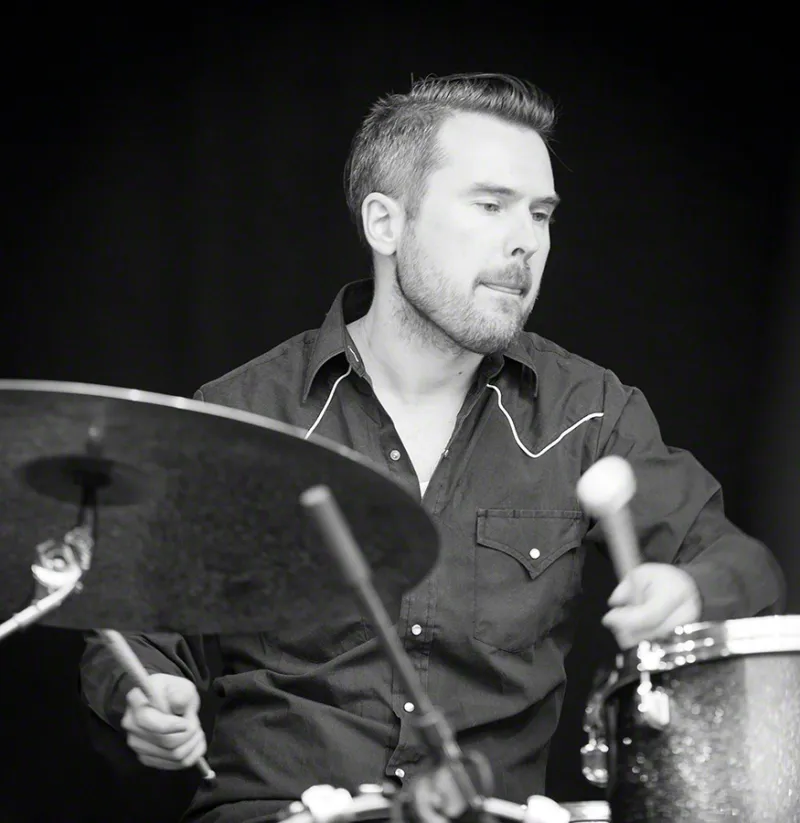
Photo: Tore Sætre, CC BY-SA 4.0, via Wikimedia Commons
A support slot is a borrowed room. The lighting plot was built for someone else. The risers are dark, the monitor mix is a rumor, and the back bar is farther away than the merch table. You do not need a new wardrobe. You need five pieces that survive the plot and read from the back of the room. Here is the short list, with notes from touring players and stylists who have learned the hard way.
1. Flat-Soled Shoes With Real Grip
Support acts walk on stairs they did not design, in light they cannot see. A dark riser plus a strobe plus a cable run is a recipe for a public fall. Touring musicians keep coming back to flat soles with actual tread: canvas sneakers, low boots, anything that lets you feel the floor. Leave the new leather soles at home. They look sharp in the green room and treacherous on the wing. A stylist who works with indie acts says the rule is simple: if you cannot walk down a blacked-out staircase carrying a guitar case, the shoe is not ready for the show.
2. Matte Black or Navy That Eats Strobe
Shiny fabrics are a gamble when the lighting plot is not yours. Satin catches a beam and turns into a white flare. Sequins can strobe before the strobe does. Matte black or deep navy reads clean from the back bar and stays out of the way of the headliner's lighting cues. It also hides sweat, which is a practical mercy when the stage is hot and the set is short. One drummer puts it this way: you want the audience to see a shape, not a reflection. Save the shine for your own headline date, when the plot is yours and the lights are aimed at your face.
3. A Boxy Layer That Reads From the Back Bar
Small details disappear after the third row. A fitted tee can look great up close and vanish from the back bar. A boxy jacket, a vest, or a loose overshirt gives the silhouette something to do. It also helps a support act hold the stage without hogging it. You are not trying to out-dress the headliner. You are trying to look intentional. A layer with structure reads as a bit of theater. It says you thought about the room. It also gives you something to take off when the stage heats up, which is its own kind of stagecraft.
4. A Base Layer You Can Peel
A support set often happens in a room built for someone else's body heat. The lights are hot, the crowd is close, and the load-in was long. A base layer that wicks and a top layer that comes off quickly can save the night. Avoid anything that requires a full backstage disrobing between songs. A button-front shirt, a light crewneck, or a zip jacket gives you options. One tour manager calls this the one-song peel: if you are overheating by song two, you should be able to fix it by song three without telling the audience a story about it.
5. A Jacket With Pockets and No Shine
Pockets are underrated stage gear. You need a place for picks, a capo, a setlist, a phone, or a lucky token that keeps you from pacing. A matte jacket with real pockets solves several problems at once: it gives your hands somewhere to go, it adds a silhouette, and it keeps the small stuff off the floor. Avoid loud hardware that catches the light. Avoid a fit so tight that you cannot reach across the stage. The goal is not fashion for the front row. The goal is a piece of clothing that works when the monitor mix is bad and the lighting plot is someone else's dream.
The Borrow Rule
The best support-act wardrobe is not a costume. It is a set of reliable tools. You are borrowing a stage, a crowd, and a lighting plot. Dress like you respect the borrow. Wear the shoes that grip. Choose the fabric that does not fight the lights. Add one layer that reads from the back bar. Then go play the set you actually have, in the room you actually got.