After the Last Note: The Merch Table as Epilogue Stage
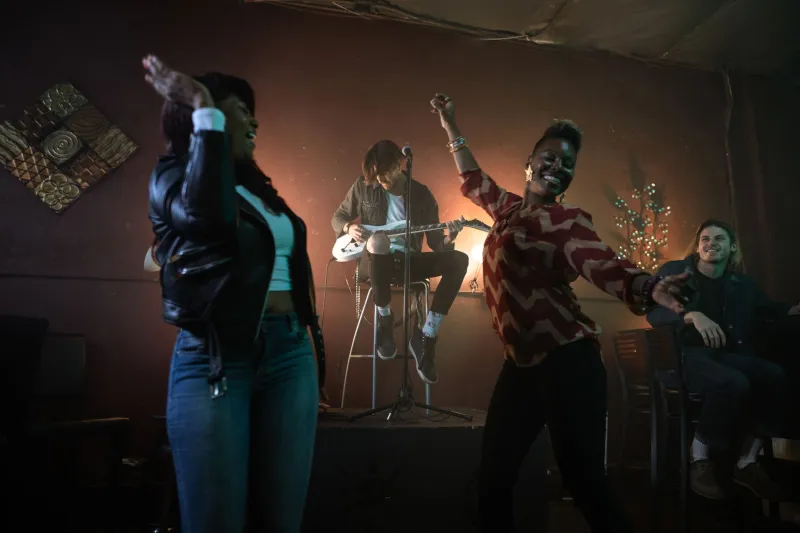
The house lights come up, the last cymbal has stopped ringing, and a chunk of the room does not head for the exit. It heads for the back. That is where the merch table is waiting, and in 2026 it is less like a folding table and more like a small stage with a job to do.
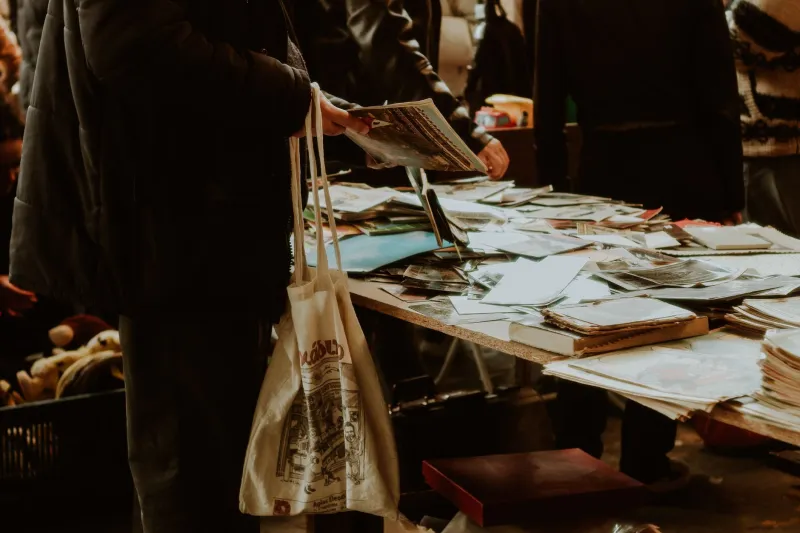
You can see the shift in the details. A dedicated lamp instead of overhead glare. A hand-painted sign that matches the tour poster. A short line of vinyl sleeves arranged like a setlist. A QR code for the demo that did not make the record. A card that says, 'One per person, please,' in the artist's own handwriting. The table has become a designed space, and the post-show ritual has become part of the storytelling.
The Table Is the Last Set
A show has a shape. The opener, the build, the encore, the release. The merch table is the epilogue, and epilogues need staging. That is the artist-led insight behind the best tables in the US right now. They are not trying to recreate the concert. They are trying to continue it. The lighting is warmer. The volume is lower. The pace is slower. You are no longer being hit by a PA; you are being invited to linger.
Some artists are treating the table as a room within the room. They use a rug. They use a small riser. They put the tour photographer's prints behind the cash box. They label the T-shirts by the song they came from, not just by size. The object is still a object, but it has a story credit. That is the difference between buying a shirt and buying a piece of the night.
Objects With a Story Credit
In 2026, the most interesting merch is not always the loudest. It is the most specific. A lyric sheet with a coffee ring on it. A cassette of the first practice room mix. A patch designed from the stage backdrop. A mini zine that explains how the record was made, with the wrong takes included. These are not impulse buys in the traditional sense. They are artifacts, and artifacts need context.
The context is often the table itself. If the artist is standing there, the object gets a sentence. If the artist is not, the signage has to do the work. The best signage is short and weird and specific. It tells you what the thing is, why it exists, and what it is not. It does not pretend the table is a museum. It just makes the table feel like it belongs to the same world as the record.
This is especially true for independent artists. A major tour can rely on volume and familiarity. An indie tour has to rely on meaning. The table is one of the few places where meaning can be made in public, after the show, without a screen. You can pick up the object. You can read the card. You can ask the person behind the table a question and get an answer that is not a marketing slogan.
Choreography for a Queue
The post-show line is its own little performance. It can be chaotic, or it can be choreographed. In 2026, more artists are choosing choreography. Not in a stiff way. In a way that respects the fact that everyone is tired, the venue wants to close, and the merch person has been on their feet for six hours.
The good choreography is simple. A clear start point. A menu at eye level. A cashier and a wrapper. A separate line for vinyl so the person digging through sleeves is not blocking the shirt buyers. A sign that says the artist will be out in fifteen minutes, and then the artist actually comes out in fifteen minutes. The small promises matter. The table is where the show either keeps its word or breaks it.
US fans have gotten wise to this. They know when a table is being run as an afterthought. They also know when it is being run as a scene. The difference is not budget. It is attention. A handwritten price list can feel more designed than a glossy banner if the handwriting is real and the prices are clear. A single lamp can do more than a light rig if it is pointed at the right thing.
The Economics of a Designed Epilogue
There is a business case here, and it is not cynical. Merch is often the difference between a tour that breaks even and one that does not. In 2026, with venue costs and travel costs still high, the table is not a side hustle. It is part of the tour math. Designing it well is not vanity. It is survival with a little style.
But the economics can also distort the ritual. If every object is limited, then nothing is. If every interaction is scripted, then the script starts to show. The artists who do this best leave room for the unplanned moment. They have a plan for the table, but they do not turn the fan into a transaction with a timer. The table is a stage, not a checkout lane. The point is to extend the story, not to wring the last dollar out of it.
When the Ritual Becomes the Product
There is a fine line between a designed epilogue and a second show. The second show is tiring. The epilogue is generous. The difference is whether the fan feels like they are being processed or hosted. A hosted table has a pace. It has a point of view. It has a person behind it who can say, 'That one is the tour version; the studio version is on the record,' and mean it.
The best post-show tables in the US right now feel like a continuation of the artist's voice. The signage sounds like the artist. The objects look like the record. The lighting matches the mood. The line moves, but it does not rush. You leave with something small and specific, and you leave with the feeling that the night had one more scene in it.
That is why the merch table is a stage in 2026. It is the last place where the record can become a physical thing in your hand. It is the last chance for the tour to say what it meant. And if it is designed with care, it is not an afterthought. It is the ending.