Doors at 3: The Unfinished Room Becomes the Ticket
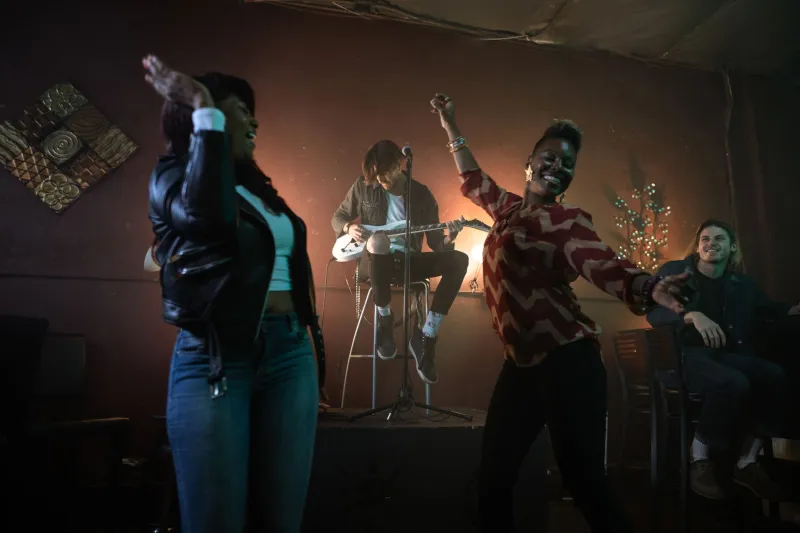
At 3:10 on a Thursday in Brooklyn, the room is half-lit and the PA is making a noise like a polite cough. A line forms outside anyway. People are holding iced coffee and wristbands. The marquee still says the headliner is on at 8, but nobody in this line is confused about why they are here. They bought a ticket to the afternoon.
That is the strange little shift happening across US venues in 2026: the soundcheck is no longer just a private utility. It is becoming a public event. Not every artist is doing it, and not every room should. But from 400-cap clubs in Chicago to restored theaters in Nashville to shed dates in the Pacific Northwest, the unfinished room is being sold as an experience. The pitch is not perfection. The pitch is proximity.
The Afternoon Slot Gets a Wristband
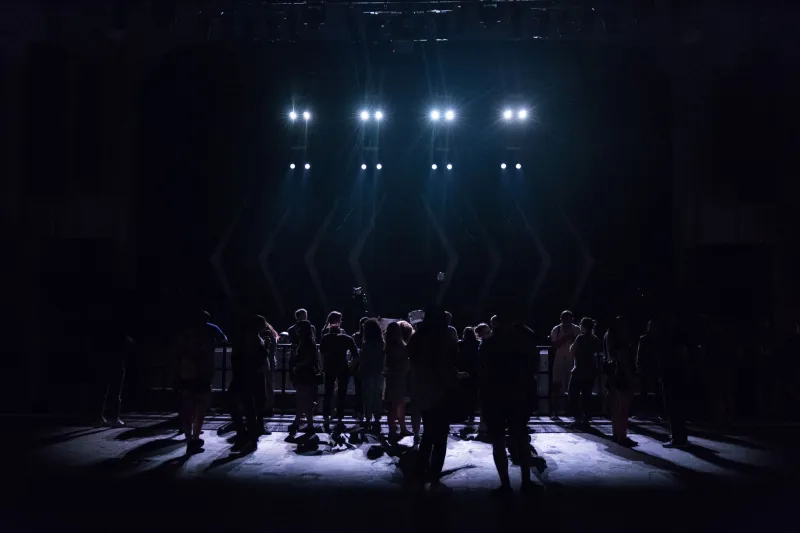
A ticketed soundcheck usually looks less like a concert and more like a controlled leak. The artist walks out in a hoodie. The lighting designer asks for a cue again. The drummer counts off a song that may not survive the week. Someone at the console says, 'Can we hear the vocal without the plate?' and the room hears the vocal without the plate.
For fans, that is the whole point. A regular show is a finished sentence. A soundcheck is the draft with the edits still visible. You get the deadpan banter, the false start, the moment when a guitar tech trots out with a different amp and the artist says, 'No, the other one, the ugly one.' You get to watch a room learn its own acoustics.
Venues have noticed. In 2026, more clubs are bundling early entry, a soundcheck viewing, and a Q&A into a premium ticket or a fan-club add-on. The format varies wildly. Some are seated and quiet. Some are standing and loose. Some are basically a rehearsal with a bar open. The common thread is access, and access is easier to sell when it feels unrepeatable.
Why Venues Are Opening the Doors Early
The economics are not mysterious. A soundcheck ticket can add revenue without adding a second performance. It can move merch earlier in the day. It can turn a slow afternoon into a bar shift. It can give a venue a reason to open the doors while the crew is already there, which means the building is working for more hours instead of waiting for the night to start.
For artists, the math is more complicated. A public soundcheck is still a workday. It can be a low-pressure way to fund a tour, deepen a fan relationship, or test material in front of people who are already on your side. It can also be a trap. If you sell it as a show, fans will judge it like a show. If you sell it as a glimpse, they will forgive the loose ends. The language on the ticket page matters more than anyone wants to admit.
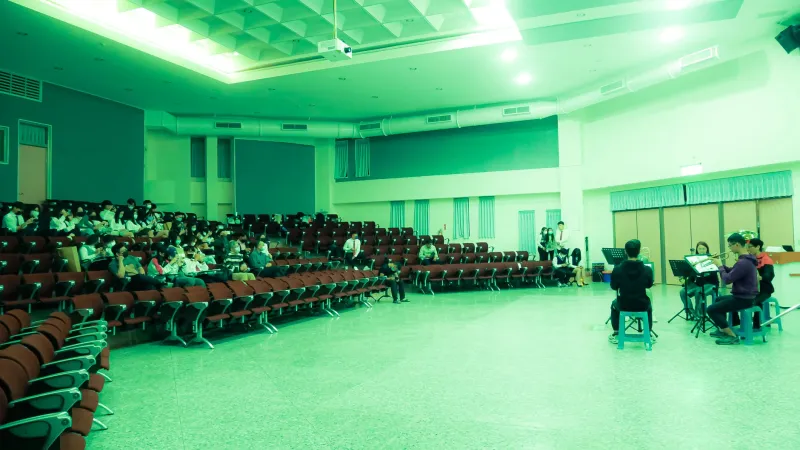
Some US venues are treating the afternoon slot as a separate room with separate rules. Phones may be allowed in one corner and banned in another. The bar may be open, but the floor may be seated. The artist may take requests, or may explicitly not. The best versions feel hosted rather than dumped. Someone explains what is happening. Someone sets the expectation. The audience is not left to guess whether the next pause is a creative decision or a technical problem.
The Fan Choreography of an Unfinished Song
There is a particular etiquette to watching a rehearsal. You clap after a full run-through, not after every stop. You do not shout a request while the artist is talking to the monitor engineer. You understand that the person onstage is not fully onstage yet. The fans who get this tend to love it. They are not there to catch a polished set; they are there to catch a process.
That process can be weirdly moving. A song that will be tight at 8 p.m. is still soft at 3 p.m. A lighting cue that will later feel invisible is, in the afternoon, a visible decision. You see the crew as part of the performance, even though nobody is pretending the crew is the performance. The line between backstage and front of house gets thin enough to see through.
It also changes the fan story. Instead of saying, 'I saw them on the tour,' someone says, 'I saw them figure out the bridge.' That is a different kind of souvenir. It is not better than the night show. It is adjacent to it. The night show is the product. The afternoon is the workshop with the door propped open.
The Ethical Line Between Rehearsal and Product
This is where the format gets tricky. A rehearsal is not automatically entertainment. Artists are allowed to be tired, distracted, or protective of unfinished work. Fans are allowed to feel shortchanged if they paid for access and got a closed-off room with a few mumbled instructions. The ethical line is mostly about honesty. If the ticket says soundcheck, do not call it a private concert. If the artist is going to work through the same three songs for an hour, say that. If the event includes a Q&A, make the Q&A real rather than a rushed add-on.
The other line is labor. A public soundcheck asks the artist to be available in a way that a private one does not. It asks the crew to manage an audience while they are trying to solve problems. It asks the venue to staff an extra window. None of that is free. The good versions of this trend are transparent about what is being sold: time, proximity, and a look at the machinery. The bad versions sell intimacy and then act surprised when people want to be treated like guests.
What the Soundcheck Ticket Actually Teaches
Maybe the reason the afternoon rehearsal works in 2026 is that audiences are tired of the seamless version. The night show is lit and loud and edited by muscle memory. The soundcheck is not. It is a room with its seams showing. You hear the hum. You see the empty seats. You watch a song become a song.
That does not mean every artist should open the doors at 3 p.m. Some rooms are too small. Some tours are too fragile. Some performers need the afternoon to be private or they will not have a night to give. But the trend is revealing something useful about the live economy: fans will pay for context, not just climax. They will show up for the unfinished thing if you tell them the truth about what it is.
The soundcheck ticket is not the future of concerts. It is a side door. But in 2026, a lot of people are lining up at that door, holding iced coffee, waiting to see what happens before the show starts.