The Room Is on the Record: How Live Albums Became Spatial Stories
Live albums used to be receipts. You went, you yelled, they pressed the crowd noise between the songs, and you bought the CD to prove you were there. In 2026, that formula feels like a fax machine. Artists are treating live recordings as spatial stories — headphone-sized environments built from binaural microphones, room tone, foot traffic, and the particular way a venue breathes when 200 people hold still.
From Document to Environment
The shift is conceptual before it’s technical. A concert document says: here is the performance. A spatial live album says: here is what it felt like to stand in the third row, slightly left of center, when the bass hit the back wall. That distinction changes what gets recorded and how it gets mixed. The crowd isn’t a layer to be faded under the vocal. It’s a character. The room isn’t a backdrop. It’s a collaborator.
Artists are commissioning binaural captures alongside the front-of-house mix. They’re recording impulse responses — a quick burst of sound that maps how a specific room reacts — and using those to place instruments in a believable space. They’re keeping the ugly sounds: the chair scrape, the door, the laughter that lands in the wrong key. Those are the details that make a listener feel present after the fact.
Binaural and the Headphone Stage
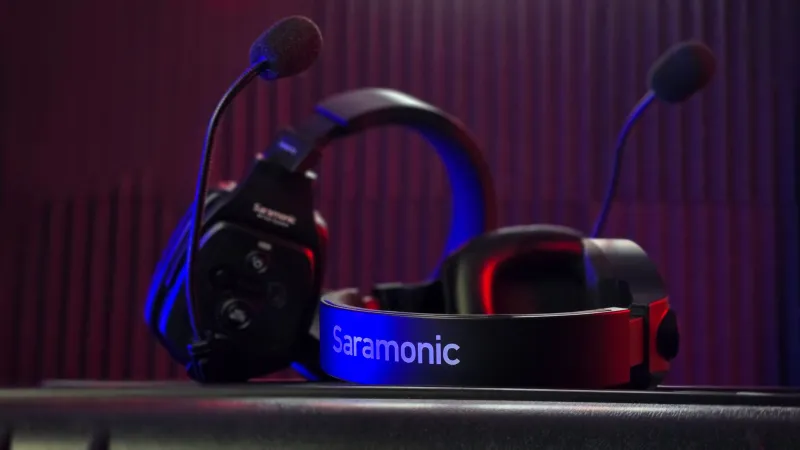
Binaural audio is not new, but the tools have caught up with the ambition. A pair of microphones shaped like human ears can capture an approximation of how sound arrives at the head. Mixed well, it creates a stage inside headphones — not a wall of sound, but a place. For live albums, that means the listener can turn toward the bar and hear the room shift. They can hear the singer step away from the mic. They can hear the difference between a crowd that’s listening and a crowd that’s waiting for the hit.
The result is a release that competes with the memory of the night, not just the setlist. Fans don’t just revisit the songs. They revisit the feeling of being in a specific room with specific people. That’s a different kind of loyalty, and it’s harder to stream-shuffle past.
Crowd Texture as Instrument
The most interesting live records in 2026 treat crowd noise the way a producer treats tape hiss: as texture, not noise. A room full of people is a reverb unit with unpredictable settings. The breath before a chorus, the collective inhale, the scattered claps that never quite align — these are the sounds that make a live album feel alive.
Some artists are going further, building songs around the room’s response. A quiet ballad gets the room’s silence. A closer gets the stampede. Engineers are mixing crowd mics in stereo and surround, automating them like synth pads. It’s not manipulation. It’s composition.
The Venue Gets a Credit
In liner notes, the venue used to be a location. Now it’s a collaborator. Artists are naming the room in the credits the way they’d name a producer. They’re documenting the building’s history, the sound system, the quirks. A converted church in Pittsburgh sounds different from a concrete club in Los Angeles, and the live album is where that difference becomes art.
This also changes how artists choose where to record. A room with a story is worth a detour. A venue with a signature decay is worth a second night. The live album becomes a reason to tour through a place, not just play it.
What to Capture Before You Leave the Room
- Room tone first. Record two minutes of empty room before load-in. You’ll use it more than you think.
- Binaural if you can. A simple ear-mounted rig can sit alongside the soundboard feed.
- Crowd mics in stereo. Don’t rely on the board. The audience is half the record.
- Keep the transitions. The walk to the stage, the tuning, the between-song banter. That’s the story.
- Credit the room. Name the venue, the engineer, the person who ran the house sound. It’s part of the release.
The live album used to be an afterthought. In 2026, it’s becoming a spatial narrative — a way to let fans walk back into a room they can’t return to. The best ones don’t just document the night. They rebuild it.