The Wall Remembers: Backstage Scrawl as Touring’s Accidental Archive
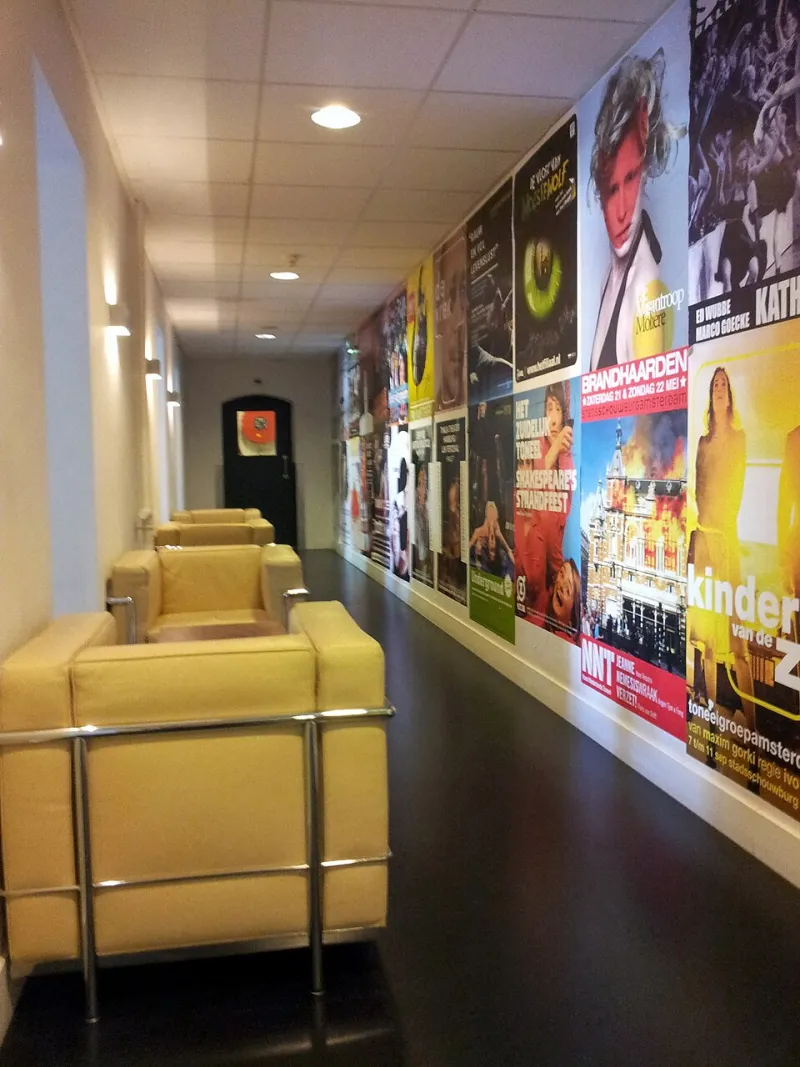
Photo: Kleon3, CC BY-SA 4.0, via Wikimedia Commons
The green room at a mid-size club in Chicago has a wall that looks like a group chat got hold of a Sharpie. Band names stacked over band names. A date from a Tuesday in March. Someone’s apology to the sound engineer, written in letters that get smaller as they run out of space. A drawing of a bird that may or may not be a comment on the monitor mix.
None of it is in the press kit. None of it is on the artist’s website. But it is a record of the tour—more specific than a tour poster, more honest than a bio, and a lot less polished than the version that gets posted the next morning.
The Sharpie Ledger
Green-room walls are not designed as archives. They are designed as places to wait. But waiting is what touring does best, and the wall becomes the thing you do while you wait. You sign it because someone before you signed it. You leave a note because the room is empty and the pen is there. You write something dumb because the load-in ran long and the coffee was bad and the local opener was actually great.
The result is a layered document. A venue in Austin might have ten years of signatures in one corner and a fresh coat of paint over the rest. A room in Portland might keep a guestbook behind the bar that touring acts treat like a sign-in sheet at a family reunion. The entries are not curated. That is the point. The wall does not care about your rollout strategy.
What the Bio Leaves Out
Press materials tend to flatten the road into milestones: sold-out shows, festival slots, late-night TV. The wall keeps the granular stuff. The band that played to nine people and thanked the bartender by name. The headliner that left a note for the opener: “You were better than us. Keep going.” The local act that signed the wall in 2019 and came back in 2026 with a bigger van and a smaller temper.
Those lines reveal a touring economy that is mostly invisible from the outside. They show which rooms actually hosted which scenes, which openers got a second slot, which sound engineers got thanked more than once. The wall is not objective—it is a bunch of tired people writing with a borrowed marker—but it is specific. Specificity is what the bio usually lacks.
The 2026 Preservation Turn
This year, a handful of US venues have started photographing their green-room walls before repainting, scanning guestbooks, and asking artists if they want their entries included in a small digital archive. The motivations are mixed. Some venues see it as history. Some see it as marketing—look at all the people who passed through. Some just do not want to be the room that painted over a piece of local lore because the wall looked scuffed on a Tuesday.
Artists are getting in on it too. Tour managers have started snapping the wall at load-out, the same way they photograph the setlist and the merch count. A few independent labels have begun asking for green-room photos alongside the usual live shots, not because the wall sells records, but because it tells a story that the staged photo does not.
The challenges are real. Consent is messy. A wall is a public-ish space, but a guestbook can feel private. Venues have to decide what gets digitized and what stays in the room. The best efforts seem to treat the wall as a living thing: document it, but do not clean it up. Keep the typos. Keep the bad drawings. Keep the apology to the sound engineer.
A Map of Who Passed Through
The wall is also a local-scene document. In Nashville, a green-room corner might hold a dozen names from the same few blocks. In Minneapolis, the wall might be the only place where a short-lived band from 2018 still exists in public. Touring acts sign next to local openers, and the result is a map of who played with whom, who came back, and who left a mark before disappearing into a day job.
That map does not show up in streaming data. It shows up in ink. The wall is a release cycle without a release date, a press kit without a publicist, a reunion without the reunion. It is the least algorithmic thing in the building.
Why It Matters Now
Touring in 2026 is heavily documented—clips, stories, posts, recaps, all of it designed to travel. The green-room wall travels differently. It stays put. It accumulates. It gets painted over and started again. That is what makes it worth preserving: not because it is permanent, but because it is not.
A guestbook entry from a rainy Wednesday in 2024 is not going to launch a career. But it is proof that the career happened in a room, in front of people, with a bad pen and a worse couch. The wall remembers what the press kit forgets. In 2026, more people are starting to think that is worth a photograph—or at least a second look before the roller comes out.