Three Hundred People, One Headliner: The Micro-Festival Weekend Is Rewriting the Tour Map
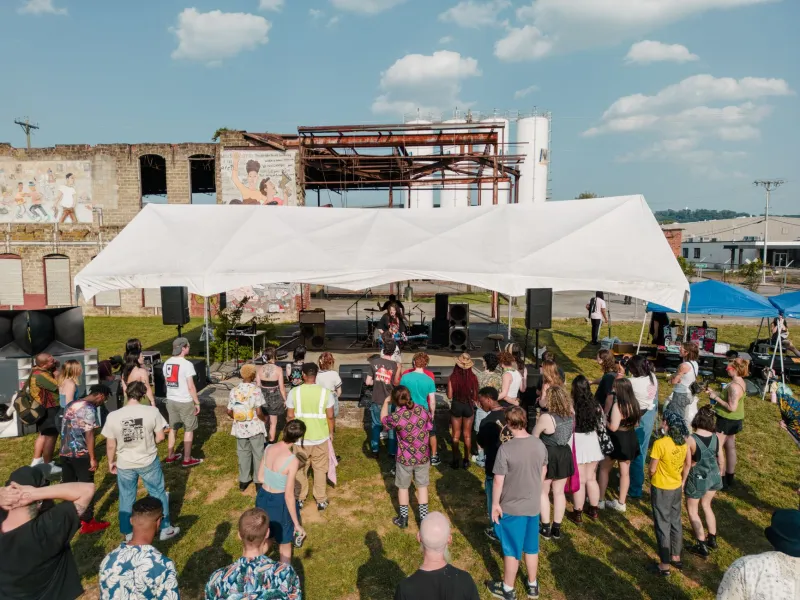
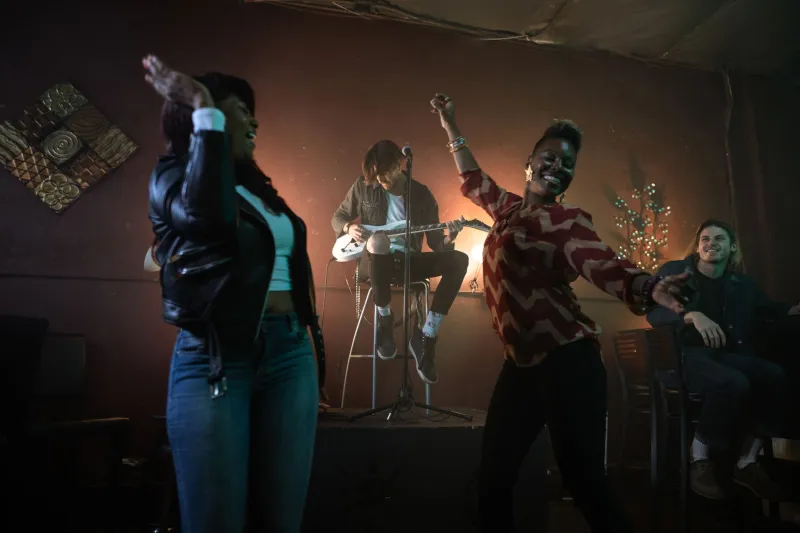
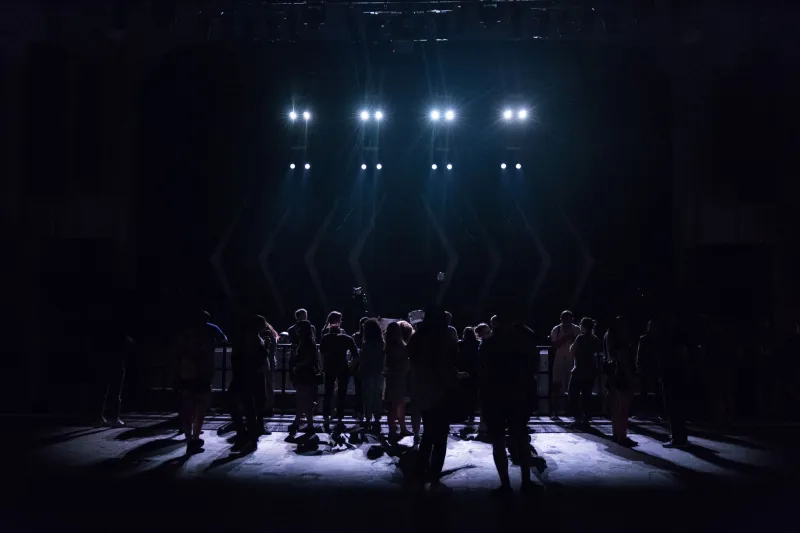
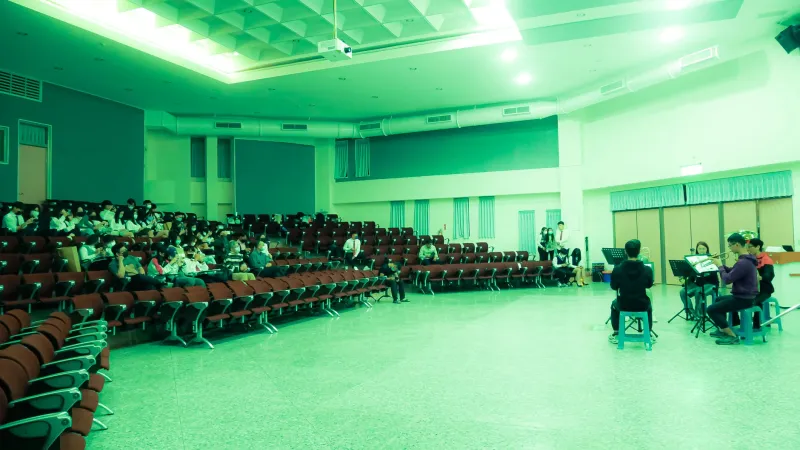
Walk into a micro-festival in 2026 and the first thing you notice is what’s missing: the barricade, the corporate activation tent, the 40-minute gap between sets while a sponsor’s logo rotates on a screen. What’s left is a room — or a barn, or a courtyard, or a converted church — holding roughly 300 people who all seem to know why they’re there. The headliner is the anchor. The weekend is the point.
The Economics of a Smaller Room
The old math of touring rewarded scale. You played bigger rooms, sold more shirts, paid more crew. The micro-festival flips that equation. An artist-curated weekend can gross less at the door but keep more of it, because the overhead is human-sized. Local food vendors take a cut and bring their own audiences. A single stage means one production build, not five. The artist often acts as curator, host, and headliner, which sounds exhausting until you realize it replaces three separate tour stops with one destination event.
For indie artists, the real win is not the ticket revenue. It’s the data and the loyalty. People who drive four hours to a 300-capacity weekend are not casual listeners. They buy the vinyl, they join the mailing list, they bring a friend next year. In a US touring market where gas, lodging, and crew costs keep climbing, that kind of audience density is worth more than a night in a half-full club in a city you’ll never return to.
Stagecraft With No Backline to Hide Behind
Small festivals expose everything. There’s no video wall to distract from a patchy transition. No delay towers to smear the mistakes. The stagecraft has to be intentional: a lighting cue that turns the room amber for one song, a stripped-back acoustic set in the afternoon, a deliberate silence before the encore. Artists are using the intimacy as a creative constraint.
That constraint is showing up in how these weekends are programmed. Instead of four bands and a headliner, you get a songwriting workshop, a listening session, a late-night DJ set from the headliner’s tour manager. The weekend becomes a portrait of the artist’s taste, not just their catalog. It’s a form of world-building that a standard tour stop can’t afford.
Community Programming Is Not a Panel
The phrase community programming can sound like a conference breakout. At its best, it’s simpler: a local choir opening the show, a zine table, a potluck, a walking tour of the neighborhood. In Asheville, North Carolina, artists have paired weekend festivals with mutual-aid fundraisers. In the Hudson Valley, farm-to-table vendors have become part of the ticket. In Marfa, Texas, the remoteness itself is the programming — people come for the drive and stay for the sky.
The takeaway for artists is not to copy a template. It’s to ask what your audience would do if they had an extra day in your world. Then build the weekend around that answer.
What Indie Artists Should Steal
- Start with a room, not a lineup. Find a space that already has character and a capacity cap. Let the room dictate the vibe.
- Partner with three local vendors. Food, coffee, and one non-music community group. Give them real visibility, not a folding table in the corner.
- Program one non-performance event per day. A workshop, a listening session, a walk. It gives the weekend a shape.
- Record everything. Not just the sets. Capture the room tone, the conversations, the ambient noise between songs. That material becomes content for months.
- Price for loyalty, not for exclusivity. A weekend pass should feel like a commitment, not a luxury.
The micro-festival turn is not nostalgia for smaller shows. It’s a recalibration. In 2026, the most interesting tour stop might not be a city at all. It might be a weekend with 300 people who came because you asked them to. And that changes what a tour can be.